
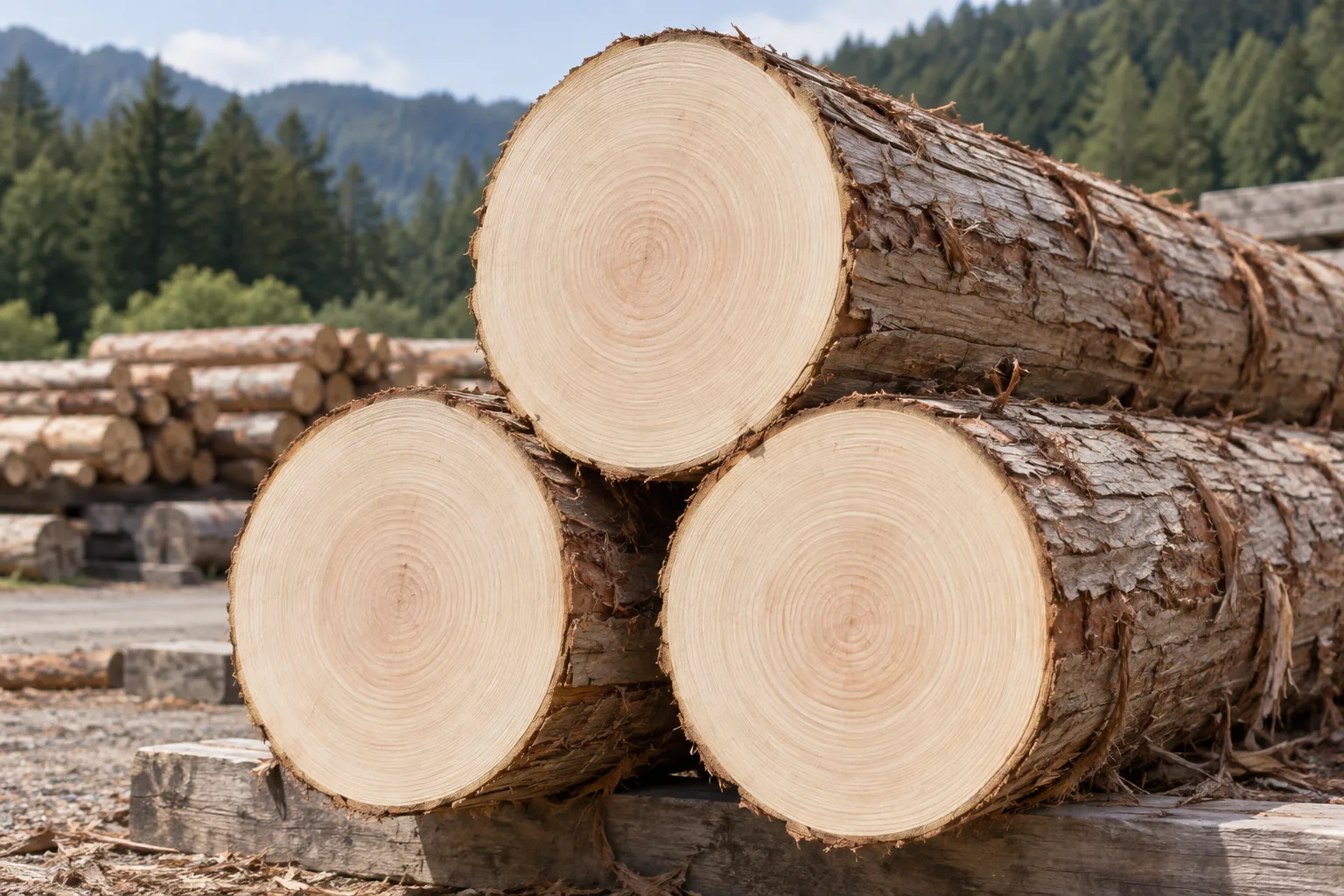
A fresh fragrance, a wood surface that glows softly in the light, and a smoothness that invites a touch. Hinoki (Japanese cypress) can be appreciated not only for its appearance but also for its scent and feel.
In Japan, it has been used in everything from buildings to everyday goods, and each region has developed its own character. Let’s look at its history and qualities, then consider uses that draw on them.
1. A history of use in Japan: supporting buildings and the forests beyond them
Hinoki has been used in Japanese architecture for more than a thousand years. It was used at Horyu-ji Temple, which preserves architecture dating to the seventh century, and the buildings have been passed down through successive repairs. Hinoki’s durability, together with the architectural and maintenance skills that put it to use, has helped sustain them over time.
At the same time, continuing to use valuable timber required protecting the forests themselves. In Kiso, in central Japan, large quantities of wood were used to build castles and cities, and declining forest resources became a concern in the seventeenth century. The regional ruler prohibited logging in parts of the forest and strictly protected hinoki and other tree species.
The history of protection is part of Kiso’s forests today. The beautiful grain of hinoki carries not only the years in which the trees grew, but also the time people spent protecting the forests.
2. Basic characteristics of hinoki: fragrance, grain, and feel
Hinoki’s appeal is easy to appreciate up close, when the wood is finished. Fine grain overlays a gentle range of colors from white to pale pink, and a soft sheen appears as the light changes. The heartwood nearer the center is tinged with red, while the sapwood toward the outside is paler; their combination also changes the appearance.
Hinoki also has a distinctive, fresh fragrance. Used for walls, ceilings, furniture, and small items, it can be appreciated through sight, scent, and touch. How long its scent lasts and how it feels also depend on drying, coatings, and other finishing methods.
Compared with sugi, another representative Japanese timber, sugi has more distinct contrast between reddish-brown and pale areas and more visible growth-ring patterns. The difference in density within hinoki’s growth rings is relatively small, giving it a more uniform material character. While sugi is known for expressive grain, hinoki is valued for its fine texture and gentle color.
White oak, used in furniture and flooring, is known for its hardness and bold grain. Hinoki has a softer surface and is more prone to scratches and dents, but it offers a smooth feel. Compared with the brown wood surface of teak, which is used in furniture and boat decks, hinoki can create a brighter, lighter impression.
Hinoki is also used for columns and sill plates, and its heartwood is durable. This does not mean it is impervious to moisture. It absorbs and releases moisture as the surrounding temperature and humidity change, so its drying condition and environment also affect how it performs.
3. Regional characteristics and what lies behind them
Even within hinoki, color, grain, and the appearance of knots vary with the region and how the trees are grown.
Tono hinoki from Gifu Prefecture is known for its pale pink surface and even growth rings. In Nara Prefecture, Yoshino hinoki has a forestry tradition of dense planting, repeated branch pruning and thinning, and growing straight timber with an even grain. Fuji hinoki from Shizuoka Prefecture is known for its pale yellow-white surface and sheen.
Tosa and Shimanto hinoki from Kochi Prefecture are noted for their reddish heartwood, fragrance, and oil content. Owase hinoki in Mie Prefecture is also characterized by its reddish color and high oil content, and its durability in damp conditions is valued. However, durability and moisture absorption are separate properties. Even Owase hinoki can regain moisture depending on the environment after drying.
Differences are shaped not only by climate and soil, but also by tree age, forest management, which part of the tree is used, and how the timber is sawn and dried. Some brands, such as Ehime Prefecture’s Hime hinoki, set quality standards that include moisture content.
The character of an individual piece of hinoki comes from both the distinctiveness of its region and the quality that processing can establish.
4. Bringing out hinoki’s characteristics through processing and design
Hinoki’s uses are not determined by region alone. Processing and design suited to the wood can bring out its appeal or address practical challenges in the place where it will be used.
| Use | Useful characteristics and practical considerations | Processing or design that makes use of its character |
|---|---|---|
| Flooring and furniture that people touch | Fine, even grain, but more prone to dents than harder hardwoods | Plane the surface smooth and use an oil finish to retain the feel of the wood. Since this does not increase hardness, harder wood can be combined in high-stress parts such as tabletops |
| Walls, ceilings, and joinery | Pale color and fine grain | Quarter-saw to bring out straight grain and create clean, calm surfaces |
| Small items for enjoying the fragrance | Distinctive fresh fragrance | Leave the surface uncoated to avoid covering it with a film. This works well where items are less exposed to dirt and water, allowing the fragrance and grain to come through |
| Wood products for wet areas or outdoors | The heartwood is durable, but it does absorb moisture | Use heartwood and design surfaces with a slope or joints that do not retain water, so the item can dry more easily after absorbing moisture |
Several regions may produce timber suited to the same use, and characteristics vary even within one region. The even grain of Tono and Yoshino and the durable heartwood of Owase can each be used together with suitable processing. For structural uses such as columns and sill plates, the product must meet the required strength, moisture content, and dimensions; the region name alone is not enough.
In summary: hinoki’s character connects the forest to the place where it is used
Hinoki’s appeal lies in its fragrance, bright surface, smooth feel, and the strength and durability that make it useful in buildings. Regional environments, forest management, sawing, and drying all contribute to the character of each piece.
Knowing the region reveals the wood’s character; understanding its processing shows how that character can be used. From interiors that show the grain, to everyday items people touch, to components that support buildings, hinoki offers many ways to bring its qualities into use.
Explore products that make use of hinoki’s characteristics in ALTO’s product range.