Bow
For lengthwise curvature, specify the reference length, maximum rise (mm) or ratio, and the face to measure.
 ALTO Inc.
TIMBER QUALITY & SPECIFICATION
Use this guide to compare species, color and knot appearance, shape and dimensions, and points to check in standards when setting requirements for your project. The figures shown are examples from a standard; they are not tolerances or guarantees that apply to every ALTO product.
01 / SPECIES & COLOR
Visual references to help imagine differences among species and the color variation in sugi.

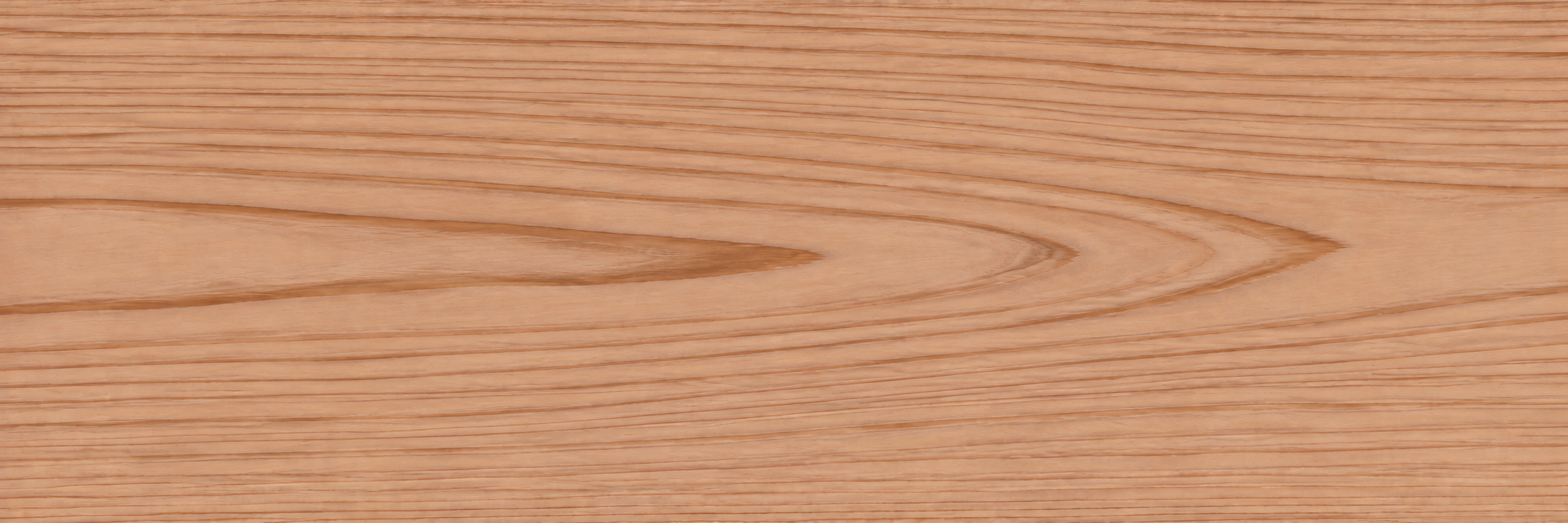
These AI-generated images are visual references for species and color. They do not represent the color or grain of actual timber or confirm species availability.
02 / APPEARANCE
When requesting a quotation, confirm knot size and count; how live, dead and loose knots are treated; whether repairs are acceptable; and which face will be visible. The images below are appearance references.

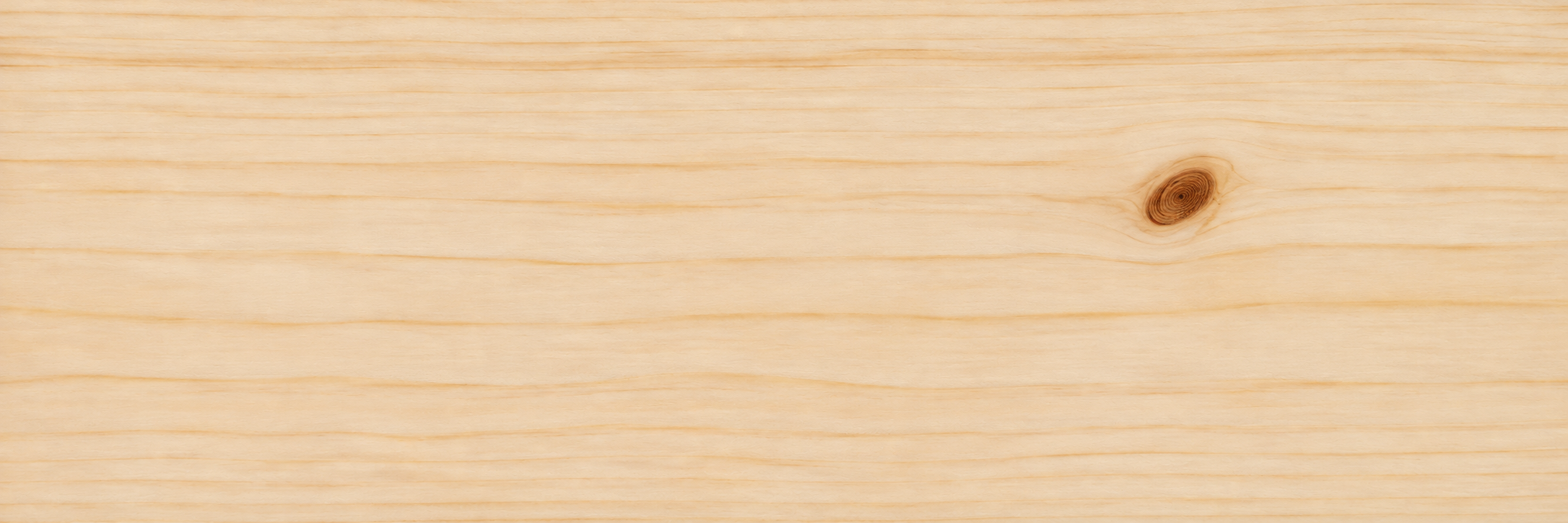
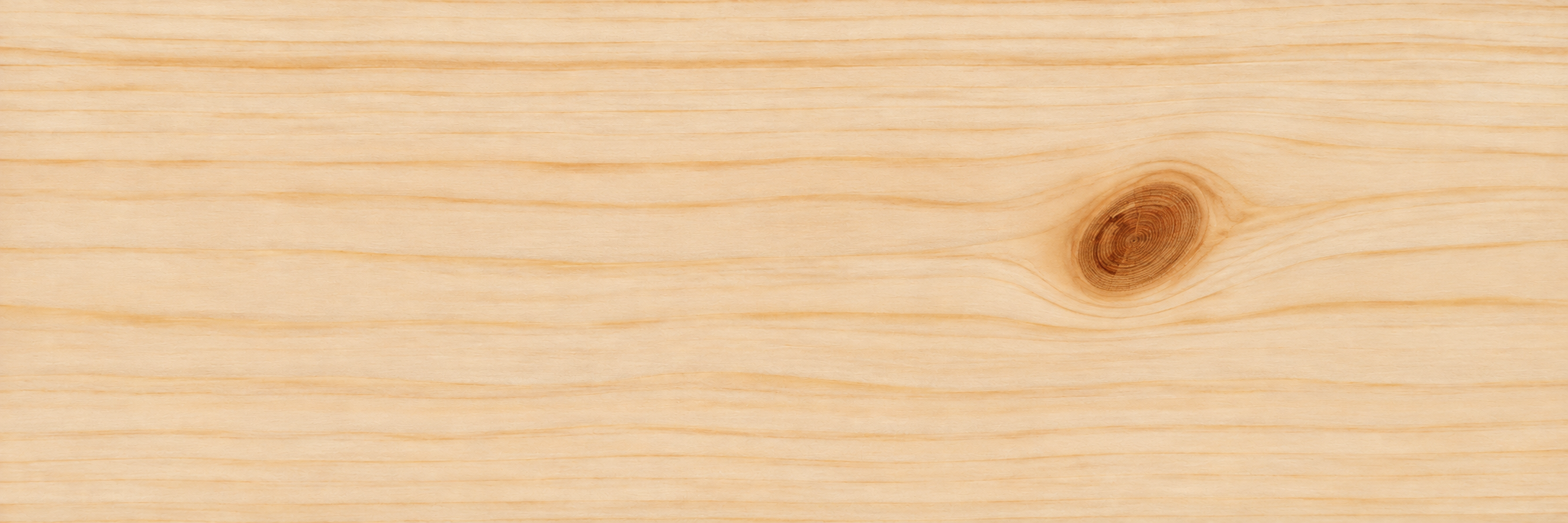
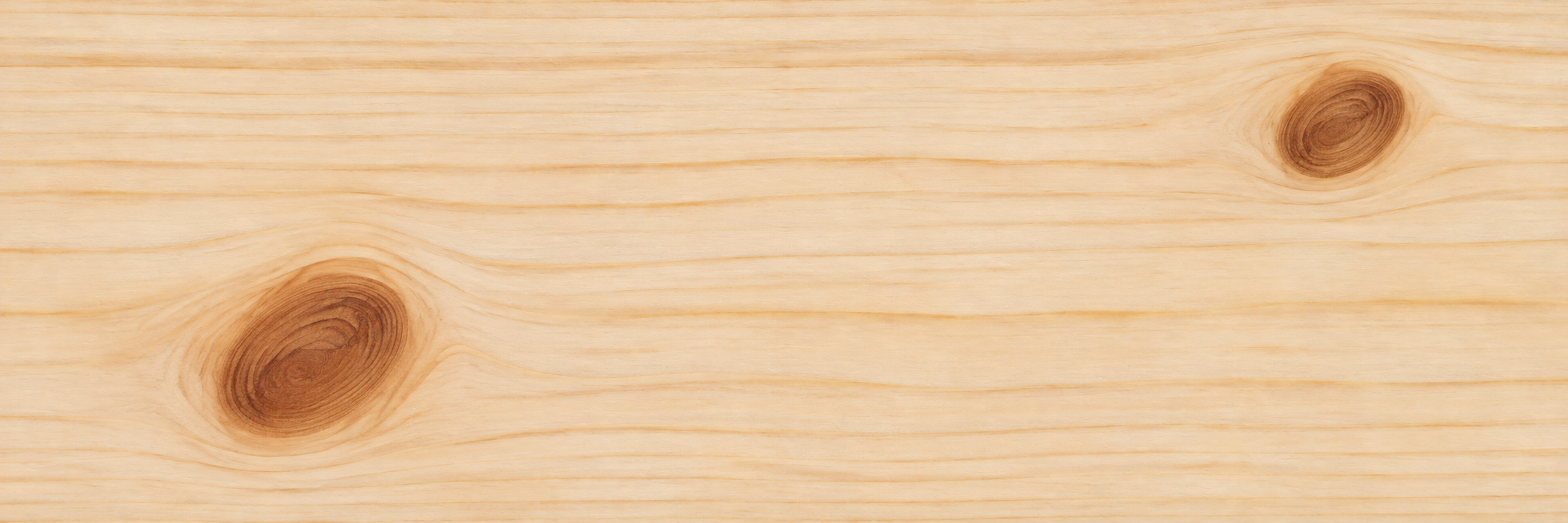
These AI-generated images are appearance references. They do not guarantee a JAS grade or the timber that will be delivered.
03 / SHAPE & FINISH
These conditions vary by product. Confirm your preferences and acceptable limits when requesting a quotation.
For lengthwise curvature, specify the reference length, maximum rise (mm) or ratio, and the face to measure.
Set acceptable limits and measurement methods separately for thickness direction, width direction and twist.
Confirm end or surface location, whether the split passes through, length and depth, and how repairs are handled.
Distinguish nominal dimensions from finished actual dimensions and set tolerances for thickness, width and length.
Confirm drying method and target, measurement method and timing, and the conditions at the destination.
Specify planing, sanding, coating or other finish, as well as acceptable color variation, marks and repairs.
04 / JAS REFERENCE
The following values are references from JAS 1083:2026, Sawn lumber for joinery. Requirements vary by product type, grade and dimensions. This does not mean every listed product is JAS-certified.
Scroll horizontally to view the table
| Grade | Knot size | Knot count |
|---|---|---|
| No knots (JAS: 無節) | No knots | Not applicable |
| Very small knots (JAS: 上小節) | Live knots: maximum 10 mm in major diameter; other knots: maximum 5 mm | Up to 3 for lengths under 2 m; up to 4 for 2 m or longer (up to 6 when the longer end dimension is at least 210 mm) |
| Small knots (JAS: 小節) | Live knots: maximum 20 mm in major diameter; other knots: maximum 10 mm | Up to 5 for lengths under 2 m; up to 6 for 2 m or longer (up to 8 when the longer end dimension is at least 210 mm) |
| Knots allowed (JAS: 並) | Major diameter of a knot: no more than 70% of the longer end dimension | Example criterion is knot size, not knot count |
The grading face is the better face for boards and all four faces for square timber. Grade is determined using criteria beyond knots, so knot criteria alone do not determine grade.
Scroll horizontally to view the table
| End dimension category | No knots (JAS: 無節) | 上小節 / 小節 / 並 (JAS grades) |
|---|---|---|
| Both short and long sides are 75 mm or less, or the long side exceeds 75 mm while the short side is 30 mm or less | 0.5% or less | 1.0% or less |
| Other dimensions | 0.2% or less | 0.4% or less |
The bow ratio is calculated as “maximum rise ÷ chord length × 100.” At a 2,000 mm chord length, 0.2% corresponds to a calculated maximum rise of 4 mm. The standard also assesses some cup and twist items qualitatively; this guide does not convert them into its own millimeter values. Confirm acceptable limits for each product in a quotation.
Sources: JAS 1083:2026 Part 1, 5.1.1 Table 2 (PDF p. 10) and Part 2, 4.8 (PDF p. 65), MAFF, Japanese Agricultural Standards: forest products list
Related JAS standards include sawn lumber 1083, flooring 1073, plywood 0233, glued laminated timber 1152, LVL 0701 and CLT 3079. A product name alone does not establish certification or structural performance. For structural use, check strength grade, adhesive performance and other evidence, and separately confirm destination-market requirements.
BEFORE REQUESTING A QUOTE
You can ask us to review your needs even if some details are undecided.